Materials and Purchasing: Lean Starts in the Supply Chain
Introduction: Why Lean Efforts Fail Before Production Even Begins
Many organizations invest significantly in Lean improvements on the shop floor or within service delivery teams, only to remain frustrated by ongoing shortages, excess inventory, and constant rescheduling. Leaders often respond by pushing harder on production, training operators, or refining standard work—yet the issues continue.
The Efficient Process Book emphasizes an important point that is often overlooked: Lean does not begin on the factory floor. It starts upstream, with materials planning and purchasing decisions.
If materials are ordered incorrectly, delivered inconsistently, or stored poorly, even the most well-designed process will struggle to perform. Flow cannot occur when inputs are unstable. That is why materials and purchasing are not merely support functions in Lean—they are essential enablers of performance.
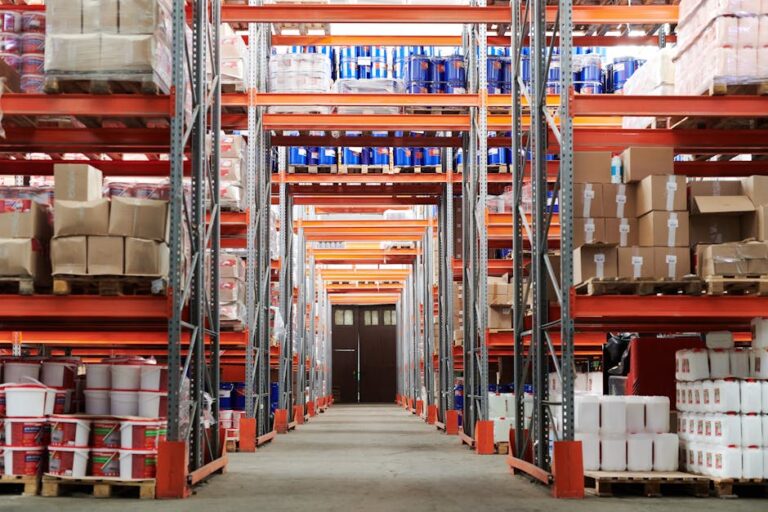
The Hidden Power of Materials and Purchasing in Lean
Materials and purchasing decisions determine:
- What work can be done
- When work can be done
- How much inventory exists in the system
- How much flexibility does the process actually has
When these functions do not align with Lean principles, waste accumulates in the process before value-adding work even starts.
Lean organizations understand that supply chain actions either facilitate flow or hinder it.
Why Traditional Purchasing Conflicts with Lean Thinking
Traditional purchasing models usually concentrate on:
- Price per unit
- Bulk discounts
- Supplier minimum order quantities
While these metrics seem financially sound on their own, they often generate downstream waste by:
- Increasing inventory levels
- Hiding quality problems
- Extending lead times
- Reducing responsiveness to demand changes
Lean shifts the conversation from “What is cheapest to buy?” to “What enables the system to perform better?”
Lean Purchasing Focuses on Flow, Not Just Cost
In Lean, purchasing decisions must support:
- Stable material availability
- Predictable replenishment
- Minimal disruption to production or service flow
This requires purchasing to think beyond transactions and into system behaviour. A slightly higher unit price may be acceptable if it:
- Reduces stockouts
- Lowers handling and storage waste
- Improves responsiveness
The book reinforces the point that total cost, not unit cost, matters.
The Role of Materials in Daily Lean Performance
1. Materials Drive Daily Stability
When materials arrive late, incomplete, or incorrect:
- Schedules collapse
- Work has been resequenced
- Efficiency drops
- Quality risk increases
Lean systems depend on consistent inputs to sustain flow. Materials planning should, therefore, focus on reliability rather than volume.
2. Poor Material Presentation Creates Waste
Even when materials are available, their presentation is important. Poorly labelled, oversized, or disorganized materials:
- Increase search time
- Encourage over-handling
- Create errors and defects
Lean material systems emphasize clarity, visibility, and user-friendliness.
3. Inventory Masks Problems
Excess inventory is often seen as a safeguard against uncertainty. In fact, it conceals:
- Supplier quality issues
- Forecast inaccuracies
- Poor process control
Lean intentionally lowers inventory levels to reveal and address these problems rather than hide them.
Purchasing as a Member of the PIT Crew
The book emphasizes that purchasing must be actively involved in improvement efforts— not simply consulted after decisions are made.
When purchasing participates in the PIT Crew:
- Supplier constraints are understood early
- Ordering rules align with process needs
- Improvement ideas become feasible, not theoretical
Purchasing is not just an execution function; it serves as a design partner in Lean systems.
Key Responsibilities of Purchasing in a Lean System
Aligning Order Quantities with Demand
Purchasing supports Lean by:
- Ordering in quantities that match consumption
- Avoiding large batch purchases that disrupt flow
- Supporting pull-based replenishment logic
This alignment lowers excess inventory while maintaining product availability.
Reducing Lead Time Variability
Lean values predictable lead times more than short ones. Purchasing can:
- Collaborate with suppliers on delivery cadence
- Reduce variability through agreements and standards
- Eliminate fire-fighting caused by inconsistent arrivals
Predictability enables more accurate planning and smoother operations.
Supporting Visual Control Systems
Purchasing helps sustain Lean systems by:
- Supporting Kanban or signal-based ordering
- Maintaining clear ordering triggers
- Ensuring suppliers understand replenishment signals
This prevents over-ordering while maintaining material readiness.
The Supply Chain’s Impact on KPIs
Materials and purchasing directly influence:
- On-time delivery
- Labor efficiency
- Inventory turns
- Quality performance
Without supply chain alignment, KPIs only improve temporarily and tend to collapse under pressure.
Lean organizations recognize that you cannot improve KPI performance downstream if the upstream system is unstable.
Common Lean Supply Chain Failure Patterns
Buying in Bulk to Save Money
This often increases:
- Carrying costs
- Storage complexity
- Obsolescence risk
Short-term savings are quickly erased by long-term waste.
Ignoring Supplier Capability
Lean requires suppliers who can:
- Deliver consistently
- Respond to changes
- Maintain quality standards
Purchasing must evaluate suppliers based on system fit, not just price.
Late Purchasing Involvement
Bringing purchasing in after an improvement design is complete often forces compromises that weaken results.
How Lean Organizations Develop Lean Suppliers
Lean supply chains are built through:
- Clear communication of demand
- Standardized ordering methods
- Collaborative improvement efforts
Suppliers become partners in flow rather than obstacles to it.
Materials, Purchasing, and Cultural Impact
When materials and purchasing align with Lean:
- Firefighting decreases
- Trust in the system increases
- Teams stop hoarding inventory
- Improvement becomes sustainable
People stop working around the system and start working with it.
Conclusion: Lean Starts Long Before Work Begins
Lean is not a one-time event that occurs when materials arrive. Instead, it is ingrained in every decision that decides what arrives, when it arrives, and how it is used.
Organizations that ignore materials and purchasing weaken the effect of each downstream improvement. Those that integrate supply chain thinking into Lean achieve stability, flow, and performance across the entire system.
Lean does not start at the workstation.
It starts with what you buy—and why.